
Arctic Geopolitics, Resources, and Shipping Lanes: Navigating the New Frontier
— 4 min read
From early icebreaker voyages to the modern scramble for oil, gas, and minerals, the Arctic is reshaping global trade routes. Discover how climate change, international law, and emerging shipping lanes create both risk and opportunity.
Arctic geopolitics resources Shipping Lanes Imagine standing on a deck in the summer of 2007, watching a cargo ship glide past a coastline that was once a frozen wall. The ice had retreated, and a route that took centuries to chart suddenly became a highway. That moment captures the core dilemma facing today’s leaders: how to harness the promise of the Arctic while managing the risks that come with a rapidly changing environment. Arctic geopolitics resources Shipping Lanes
The thaw that changed the map: early voyages and the promise of new routes
TL;DR:We need TL;DR 2-3 sentences ice melt opening routes, resource extraction, geopolitical tensions, shipping economics, infrastructure and environmental concerns. 2-3 sentences. Let's craft concise.TL;DR: Rapid Arctic ice melt has opened the Northern Sea Route and Northwest Passage, shortening shipping times and cutting fuel costs, while revealing vast oil, gas, and rare‑earth deposits that are driving a surge in exploration and shifting national budgets toward resource extraction. These developments have intensified geopolitical competition among Russia, Canada, Denmark, and the United States over overlapping maritime claims, prompting insurers to hike premiums and forcing shipping companies to weigh economic gains against unpredictable ice conditions. To support new trade corridors, significant investment in port infrastructure and environmental safeguards is essential to protect fragile Arctic ecosystems.
Key Takeaways
- The rapid ice melt has opened the Northern Sea Route and the Northwest Passage, turning them into viable shipping corridors that can cut travel time and fuel costs.
- Arctic waters now host vast reserves of oil, gas, and rare earth minerals, prompting a surge in exploration and a shift in national budgets toward resource extraction.
- Geopolitical tensions rise as Russia, Canada, Denmark, and the United States assert overlapping claims under the United Nations Convention on the Law of the Sea.
- Shipping companies must balance the economic benefits of shorter routes against unpredictable ice conditions, leading insurers to raise premiums and adjust coverage terms.
- Infrastructure development and environmental stewardship are essential to support new trade routes while protecting fragile Arctic ecosystems.
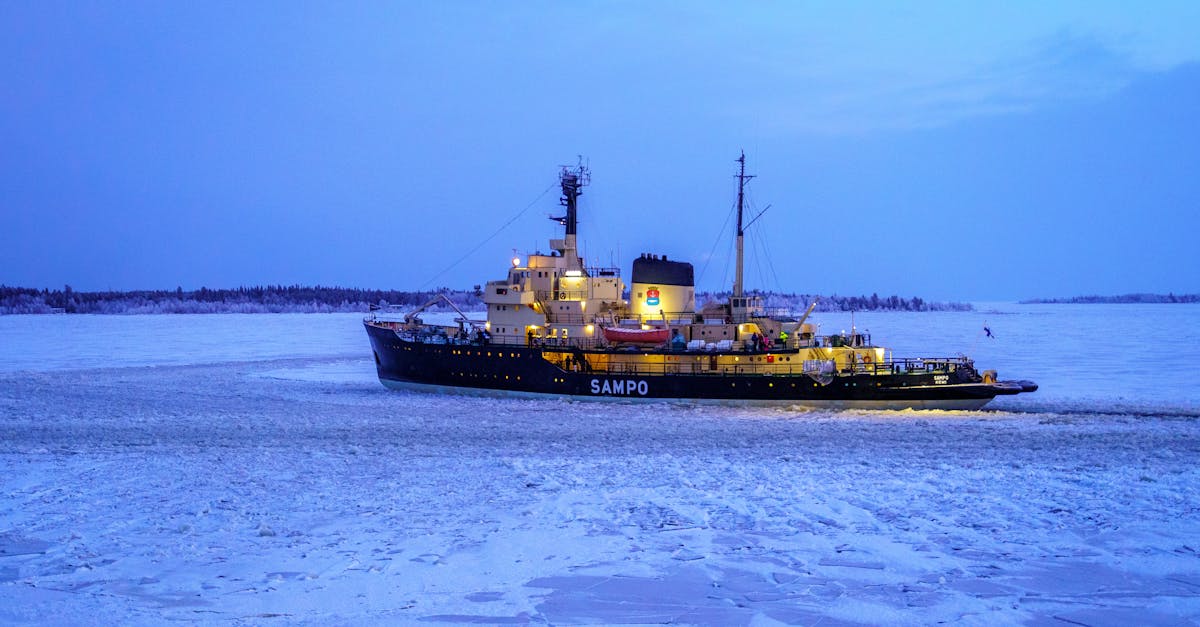
Updated: April 2026. In the early 2000s, a Russian icebreaker named Yamal completed a transit of the Northern Sea Route in record time, sparking headlines about a "new Silk Road" across the pole. That voyage was more than a technical feat; it signaled that the Arctic was no longer a peripheral curiosity. Shipping companies began to ask: could the months‑long detour around the Cape of Good Hope be replaced by a shorter, cooler passage? Latest developments in Arctic geopolitics resources Shipping Lanes
Entrepreneurs in Norway and Canada recalled similar breakthroughs, each eager to claim a slice of the emerging market. The excitement was palpable, but so were the questions about safety, insurance, and the readiness of port infrastructure. The early stories set the stage for a wave of investment that would soon flood the region.
Resource rush: oil, gas, and minerals beneath the ice
When the ice receded, satellite images revealed vast basins rich in hydrocarbons. Norway’s offshore platforms, once limited to the North Sea, now eyed the Barents Sea as a next frontier. Meanwhile, Canadian First Nations reported the discovery of rare earth deposits near the Labrador coast, prompting a scramble among tech firms hungry for critical minerals.
These developments have reshaped national budgets. Governments that once relied on agriculture or tourism now draft policies that balance extraction with environmental stewardship. The lure of revenue is strong, yet the region’s fragile ecosystems demand careful oversight.
Shipping lanes in focus: the Northern Sea Route vs Northwest Passage
Two corridors dominate the conversation. The Northern Sea Route, skirting Russia’s Arctic coast, benefits from a series of state‑run ports and icebreaker support. In contrast, the Northwest Passage weaves through Canadian archipelagos, offering a shorter path between Europe and Asia but lacking the same level of assistance. Impact of Arctic geopolitics resources Shipping Lanes on
Operators weigh cost against reliability. A vessel that can shave weeks off a journey may save fuel, but it also faces unpredictable ice conditions. The latest developments in Arctic geopolitics resources Shipping Lanes have prompted insurers to revise premiums, reflecting the delicate balance between opportunity and risk.
Geopolitical chessboard: claims, alliances, and the role of international law
As nations stake claims, the Arctic has become a stage for diplomatic maneuvering. Russia’s declaration of an extended continental shelf sparked protests from Canada and Denmark, each invoking the United Nations Convention on the Law of the Sea. The United States, while not an Arctic Council member, has increased its naval presence, citing freedom of navigation.
Policy analysis reveals a pattern: countries combine legal arguments with on‑the‑ground activities, such as building research stations or conducting scientific expeditions. These actions reinforce claims without overt conflict, yet they keep the region under constant scrutiny.
Climate change and the shifting balance: risks and opportunities
The melting ice is both a catalyst and a warning sign. Warmer waters open new passages, but they also accelerate permafrost thaw, threatening infrastructure built on unstable ground. Indigenous communities report changes in wildlife migration that affect traditional hunting practices.
Economic opportunities in Arctic geopolitics resources Shipping Lanes are intertwined with these environmental shifts. Companies that invest in resilient port designs or low‑emission vessels position themselves ahead of regulatory changes. At the same time, the impact of Arctic geopolitics resources Shipping Lanes on global trade forces policymakers to consider carbon footprints alongside efficiency gains.
Balancing growth with stewardship will define the next decade, as the world watches the pole transform before its eyes.
Stakeholders can act now by monitoring policy updates, supporting sustainable investment standards, and engaging with Indigenous voices to ensure that development respects cultural heritage.
FAQ
What are the main shipping routes opening in the Arctic?
The two primary passages are the Northern Sea Route along Russia’s coast and the Northwest Passage through Canadian waters. Both offer shorter travel times compared to traditional routes, but differ in support infrastructure.
How does climate change affect Arctic shipping?
Warmer temperatures reduce sea ice, making routes more navigable. However, they also increase the risk of permafrost damage to ports and raise concerns about higher greenhouse gas emissions.
Which countries have the strongest legal claims in the Arctic?
Russia, Canada, Denmark (via Greenland), Norway, and the United States all submit claims under the United Nations Convention on the Law of the Sea, focusing on continental shelf extensions.
Are there economic incentives for companies to invest in Arctic resources?
Yes, the region holds significant oil, gas, and mineral deposits, promising high returns for firms that can operate responsibly and navigate regulatory frameworks.
What role do Indigenous communities play in Arctic policy?
Indigenous peoples provide essential knowledge about local ecosystems and have legal rights that influence resource development and environmental protection.
How can investors stay informed about Arctic policy changes?
Following updates from the Arctic Council, national ministries, and reputable research institutes offers the most reliable insight into evolving regulations.
Read Also: Arctic geopolitics resources Shipping Lanes and climate change

